-
I don’t think we should mandate the part of the plant (or other organism) from which the extract originates. It’d might be nice. But often it’s not specified. We could make a good guess - but then your committing the modeller to something they might not align with the registration details. Here’s a snippet from the TGA’s Ingredient List:

It’s not being ambiguous. It’s being less specific - which is what the SNOMED CT hierarchy does.
Consider if somebody has an allergy to a plant - it’s just to some substance in the plant. We’re generally not concerned about what specific part.
But sometimes it is useful, especially when various parts of the same plant are consumed (Coriander/Cilantro)
So allow both.
-
Extract method - I’ve never encountered this detail. I think you’d need a compelling use case to get this precise beyond a handful of possible exceptions.
-
Form - Again, I think it should allowed but not mandatory. The available specifics can vary bewteen products, brands and jurisdictions. Sometimes it’s just a mess.
The TGA List (random examples):
- “Ceratonia siliqua seed endosperm (starch) extract dry” & “Ceratonia siliqua seed endosperm (starch) powder” as synonyms for “Carob gum”
- “Horehound solid extract” and “Marrubium vulgare solid extract” as synonyms for “Horehound extract”
Trying to be too precise can have a negative impact.
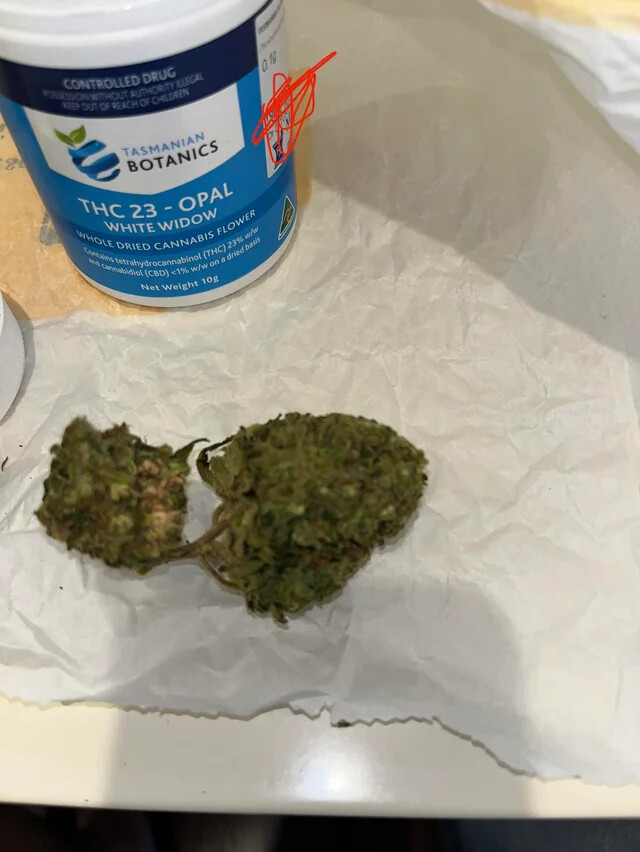
And many of the Cannabis products coming through aren’t extracts. They’re simply dry plant material (not an organism)
Are their simplest we just want to say these “substances with some biological origin of an organism”. But if we know the specific part - that be stated as the parent.